

PULSE STUDIO
Building a distinctive Pilates brand through identity, experience and place.
Pulse Studio is a Pilates, yoga and barre studio created around a more considered approach to movement and wellbeing. In a category increasingly shaped by similar visual codes and experiences, Meridian worked to establish a clearer point of view for the brand — defining how Pulse should feel, what it should stand for and how that positioning could be experienced across every interaction with the business.
The resulting strategy connected brand identity, communications and interior direction into one system, creating a studio experience designed to feel elevated and considered without becoming exclusive, clinical or overly polished.
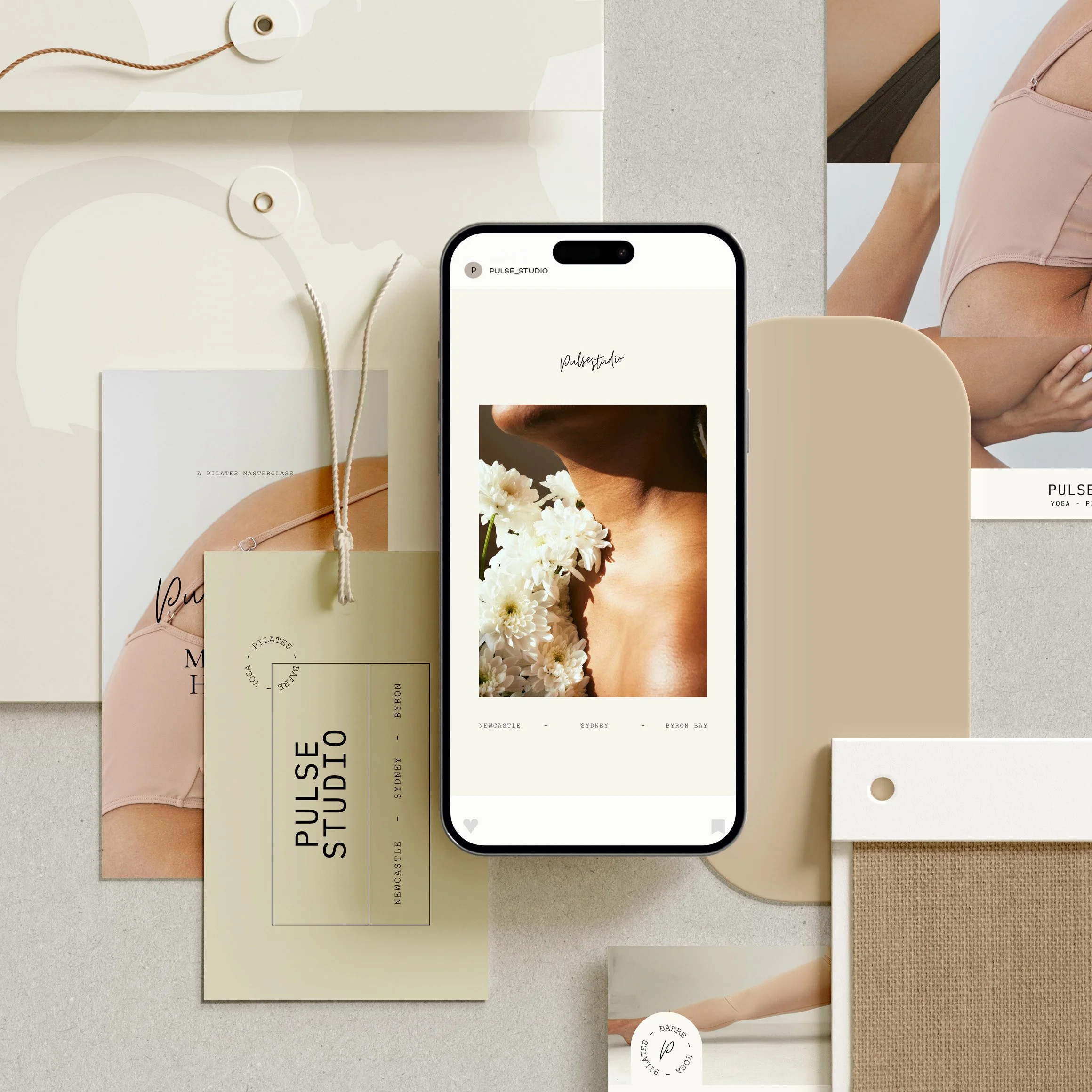
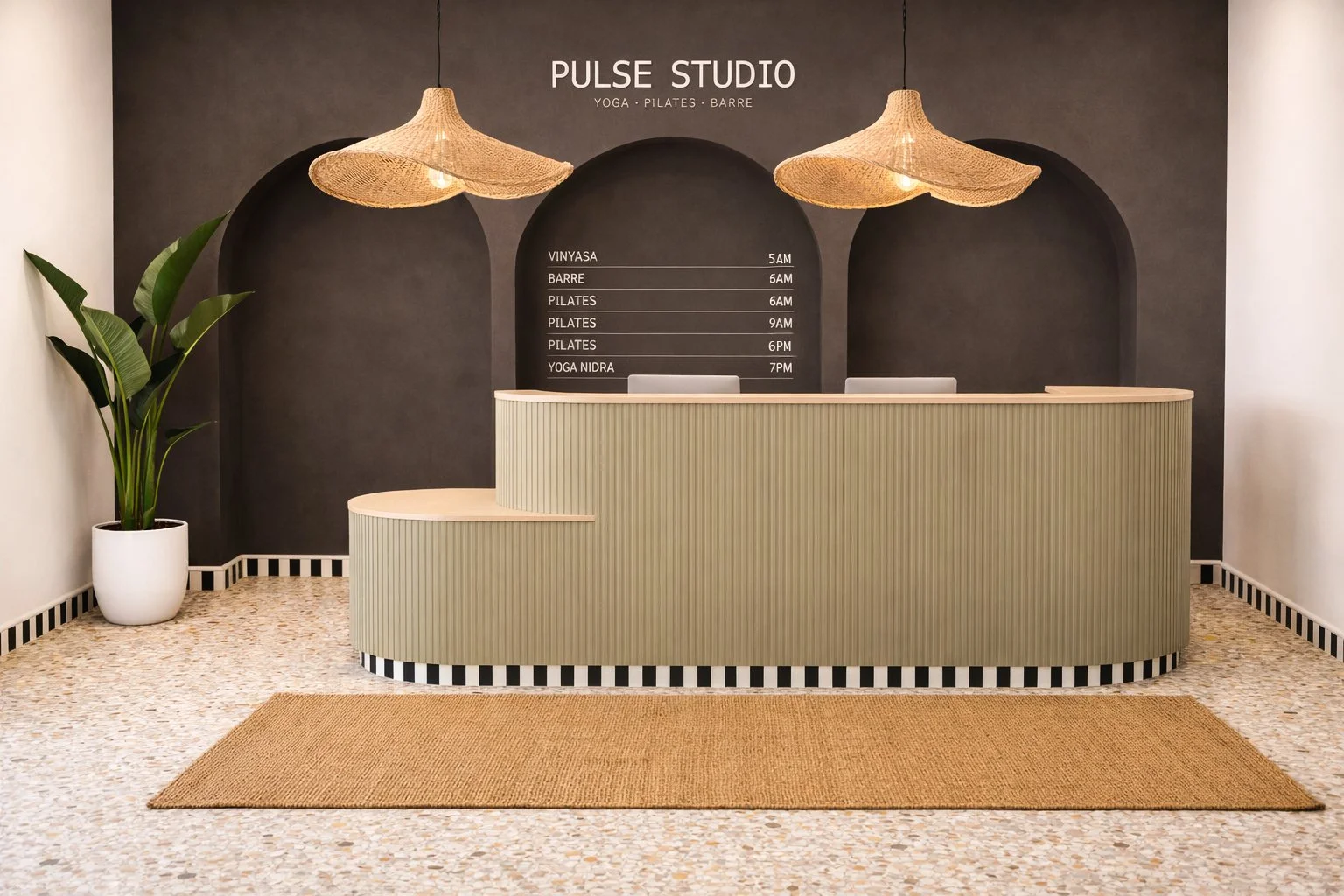
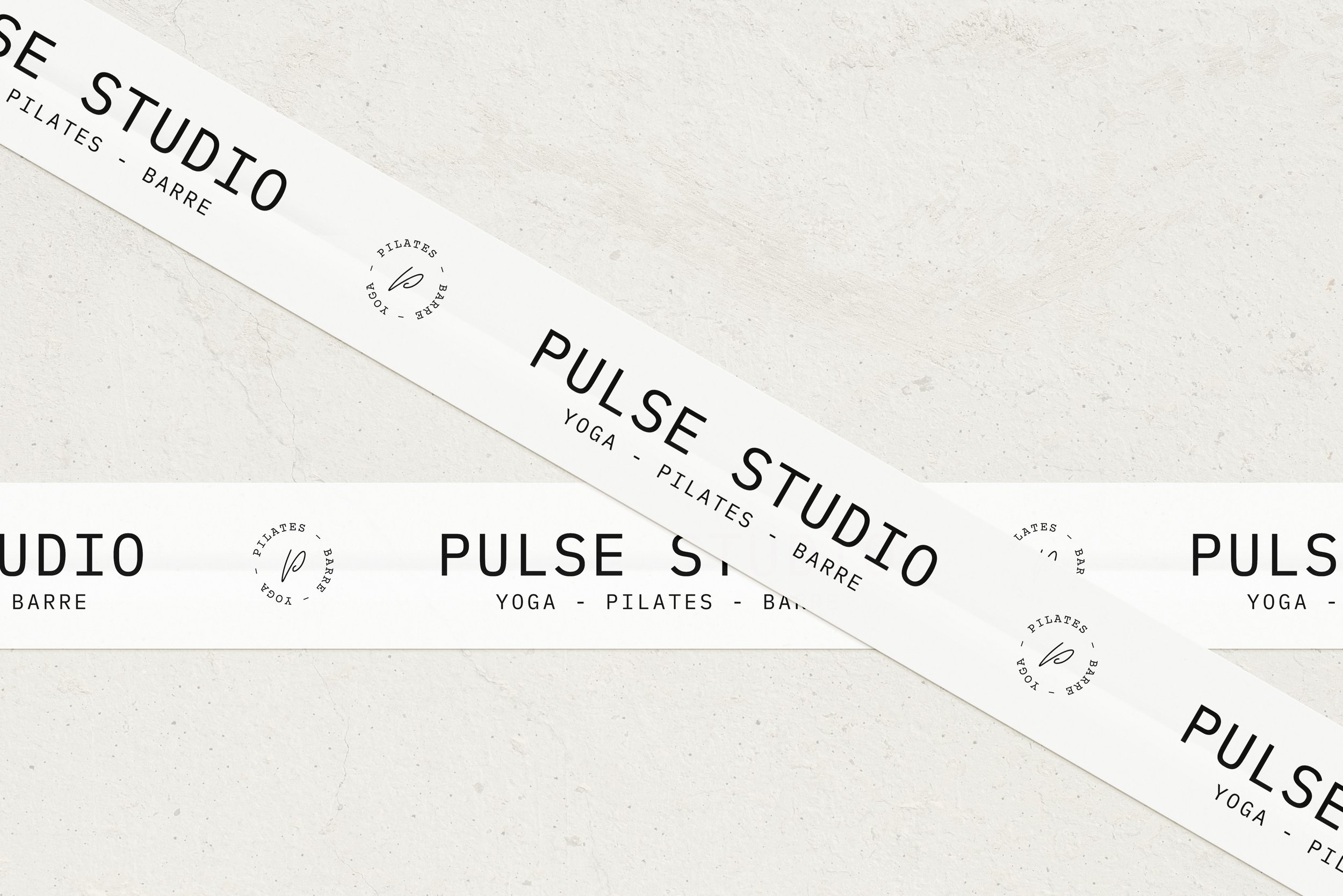
1. THE CHALLENGE
Finding distinction in an increasingly crowded wellness category.
The Pilates and wellness landscape has become highly saturated, with many studios drawing from the same language of minimalism, neutral palettes and aspirational lifestyle imagery. For Pulse Studio, creating another aesthetically appealing identity wasn't enough. The brand needed a clearer position - one capable of building recognition, communicating the quality of the experience and giving clients a reason to feel connected to Pulse beyond the classes themselves.
There was also a second consideration: unlike a product or digital-first business, much of the Pulse brand would be experienced physically. The strategy therefore needed to account for the complete client journey, from discovering the studio online and booking a class to arriving, moving through the space and becoming part of its community. Brand and environment couldn't operate as separate pieces.
2. THE APPROACH
Building the brand around the experience we wanted people to have.
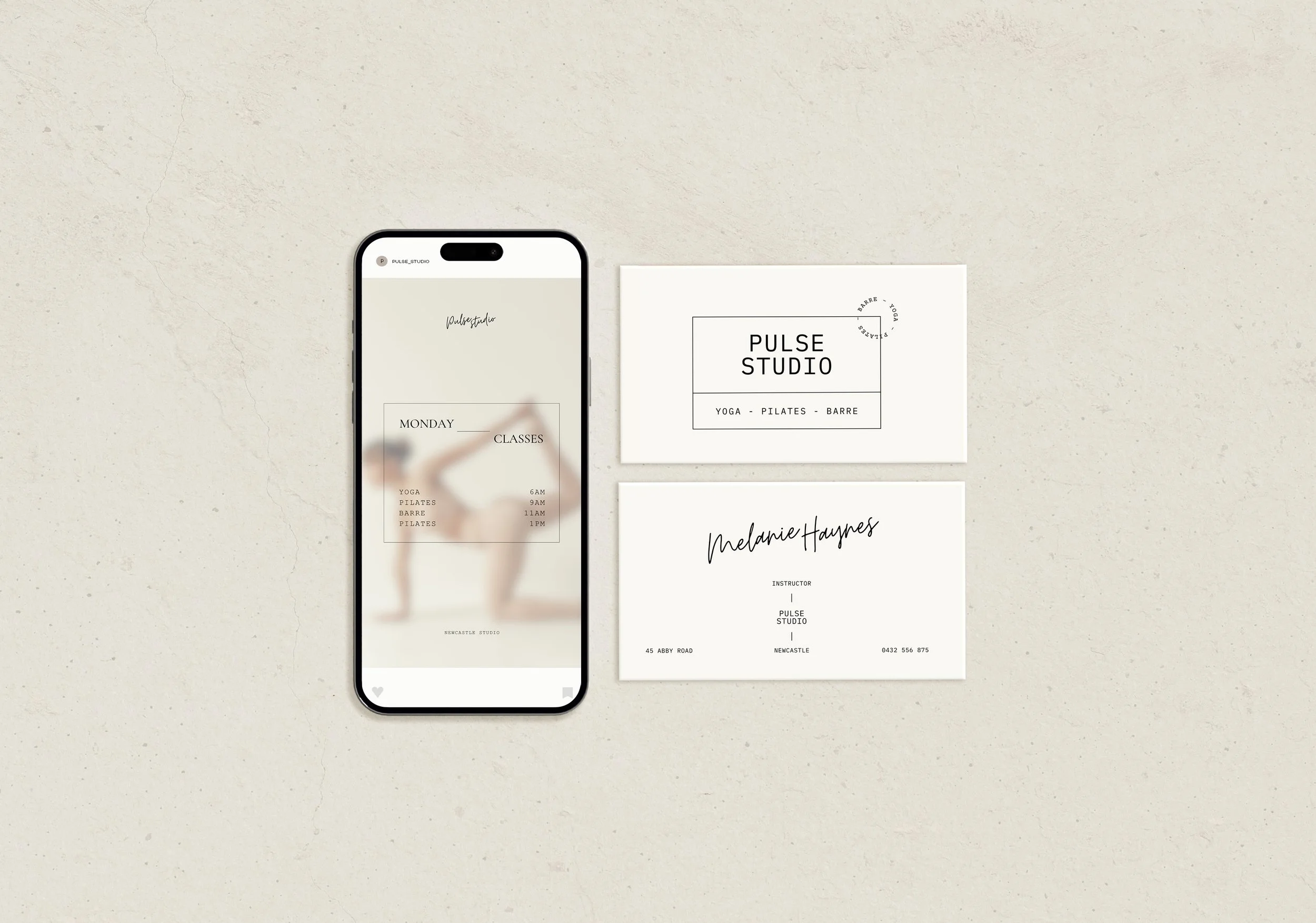
Rather than beginning with visual references, the approach began by defining the role Pulse wanted to play in its clients' lives. The opportunity was to create a studio that felt considered and elevated, but still warm and accessible - somewhere movement could sit naturally within everyday life rather than being framed around performance, perfection or transformation.
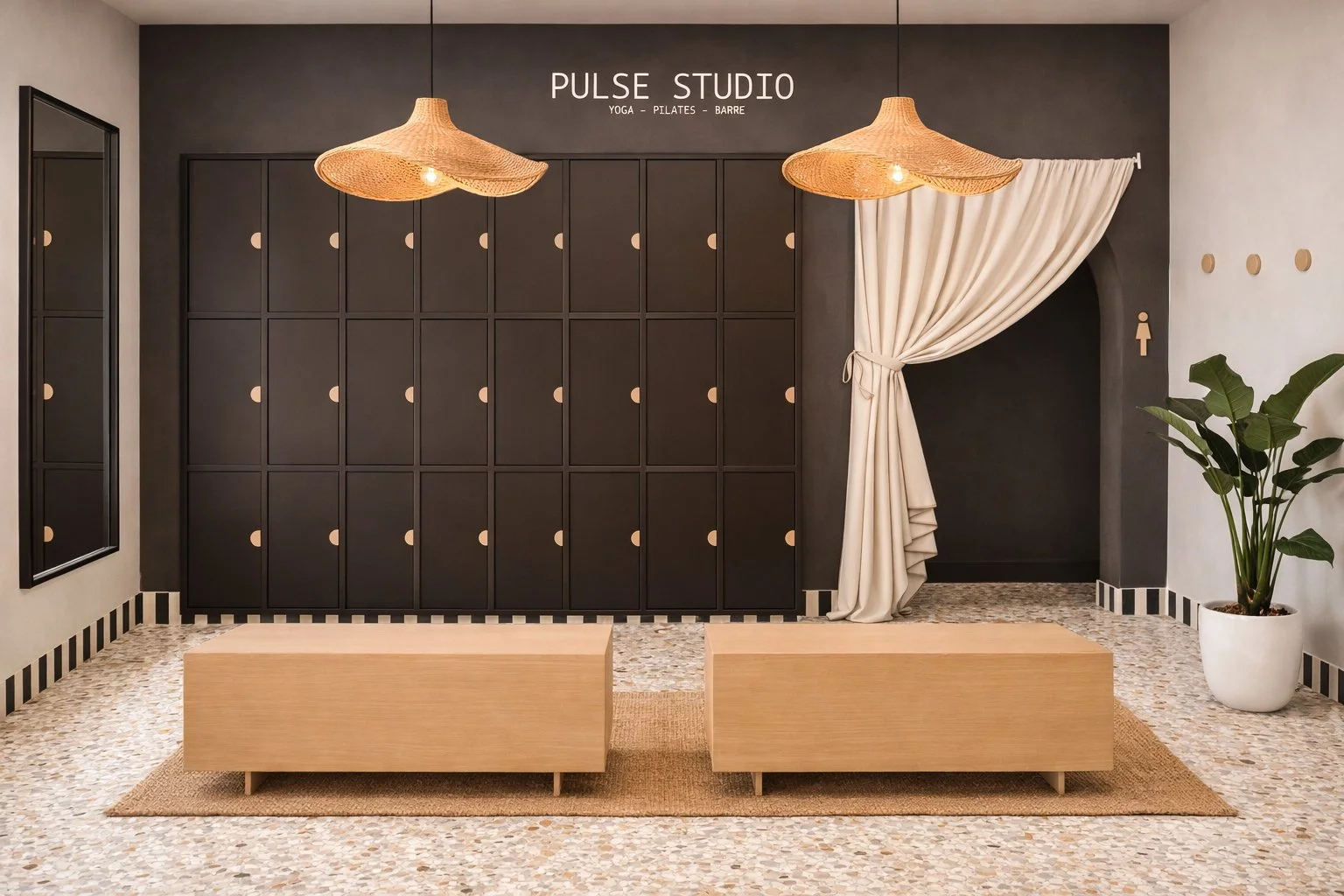
This became the filter for both the identity and the environment. The visual system balanced structure with softness; typography brought clarity and confidence, while warmer colours, tactile materials and more human imagery prevented the brand from feeling clinical or overly disciplined. The same principles informed the interior direction, allowing decisions around material, form, signage and spatial details to reinforce the positioning rather than simply decorate the space.
By establishing these principles first, Pulse gained a brand system capable of making consistent decisions across very different applications.
3. THE EXPERIENCE
Turning positioning into something clients could actually experience.
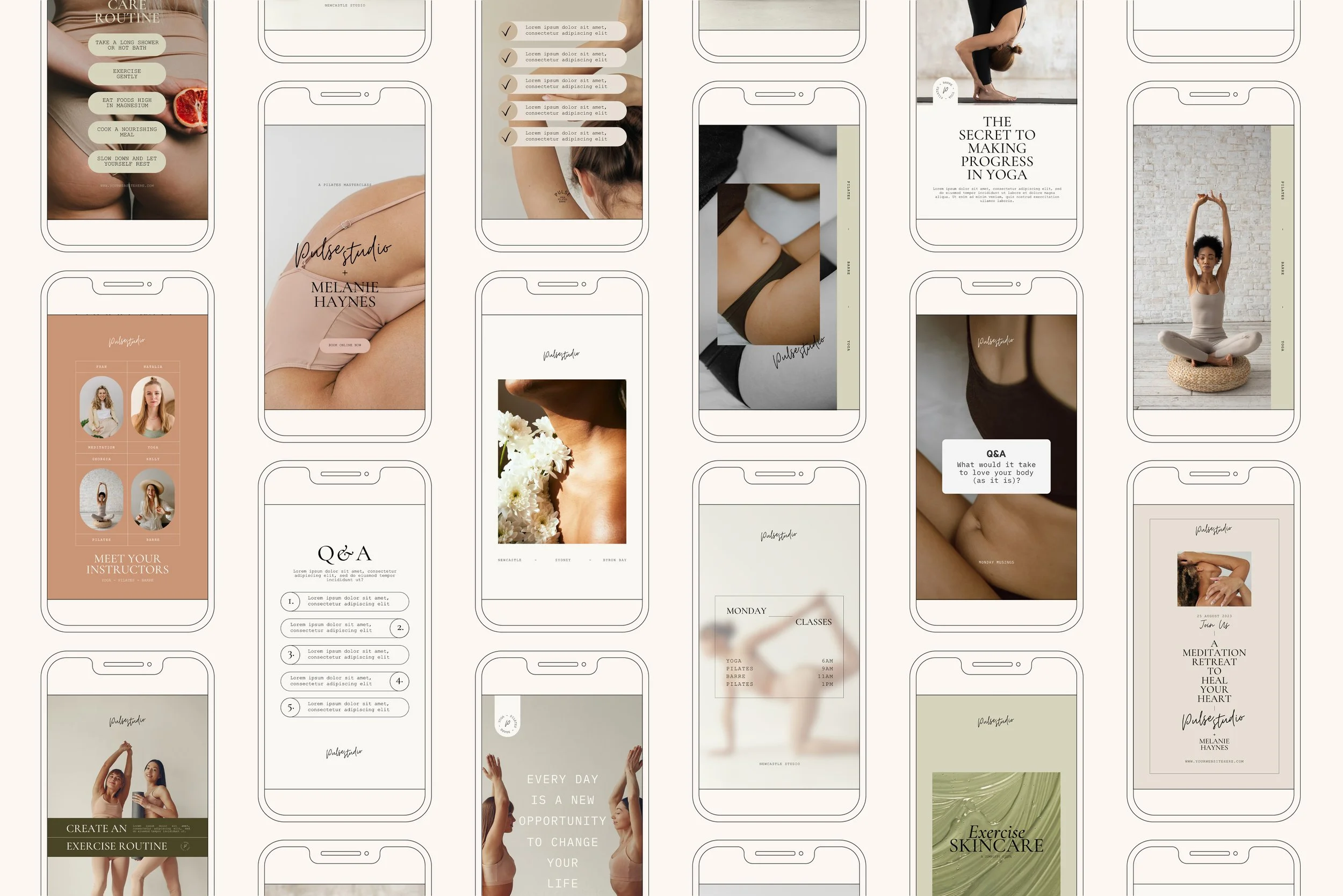
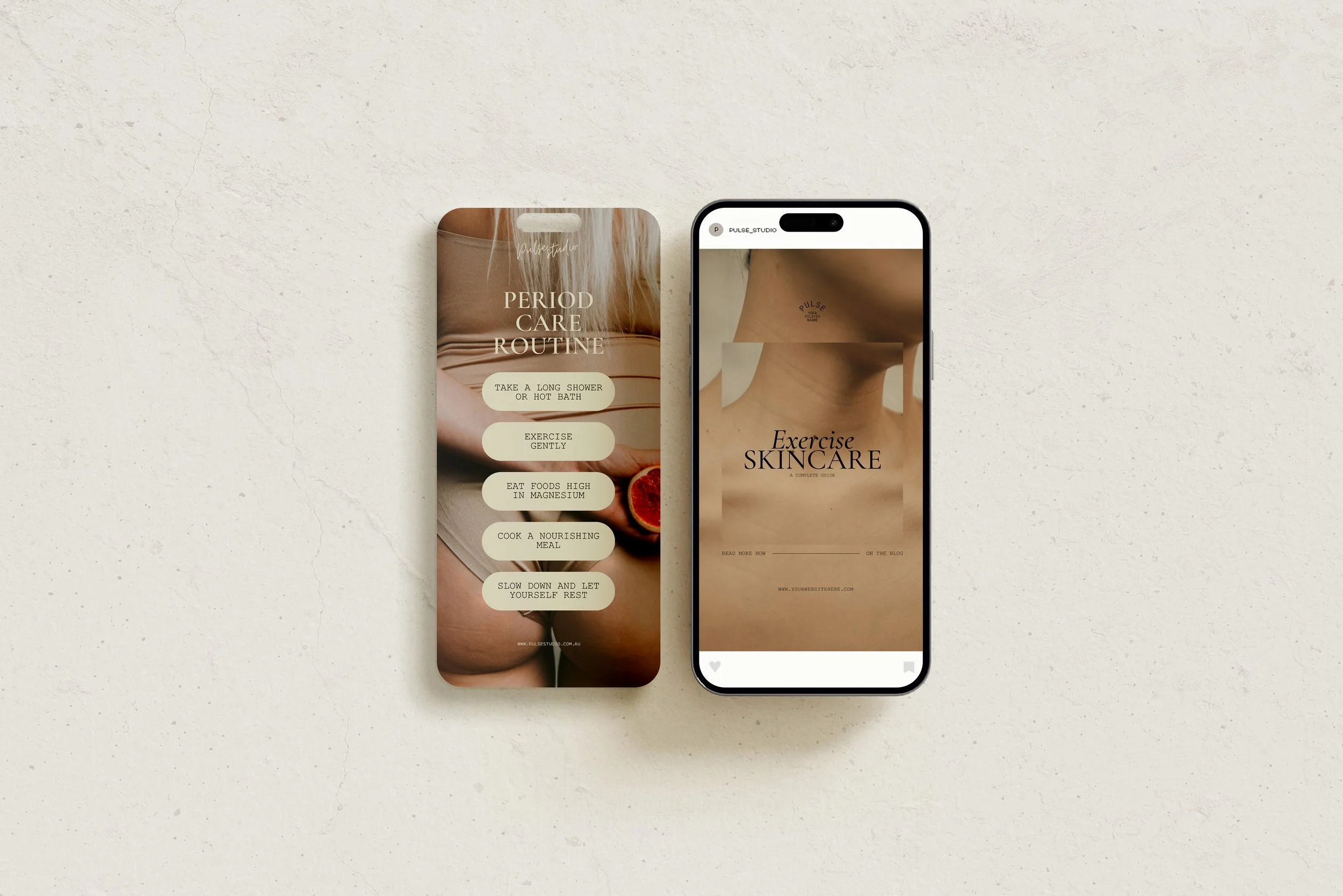
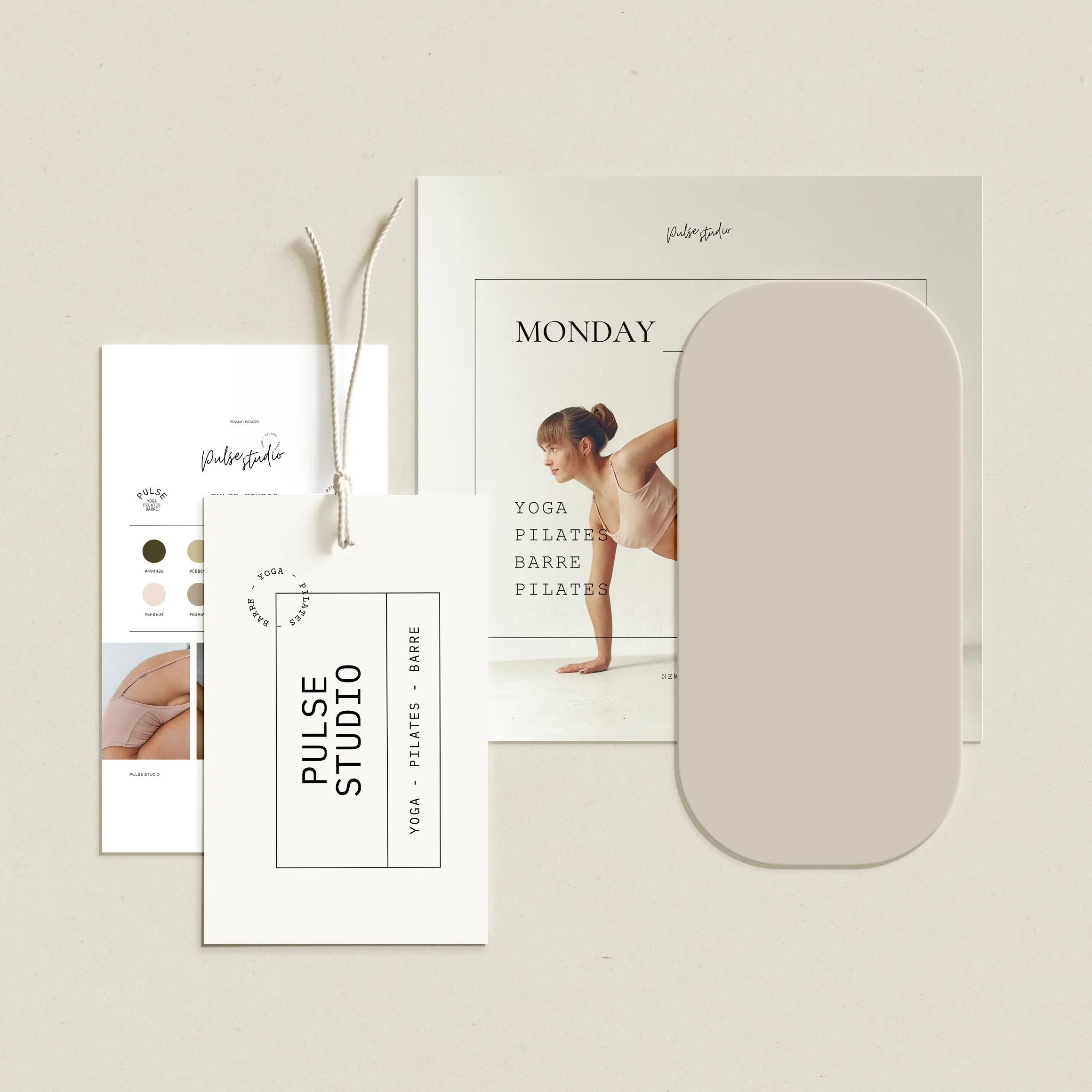
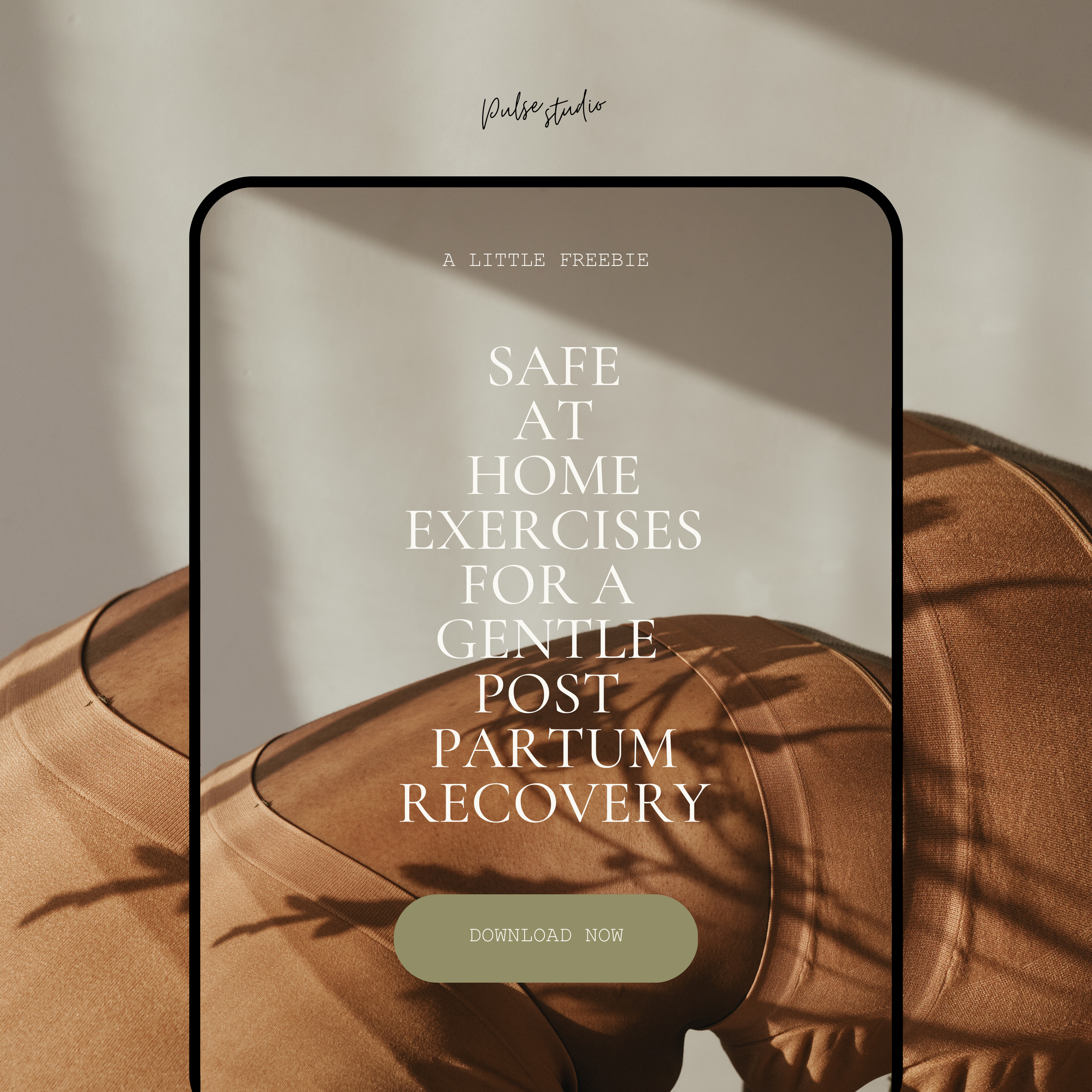
The strategy was then translated across the full client journey. Digital content and social media established the tone before a client entered the studio, while signage, reception, wayfinding, materials and interior details carried the same cues into the physical environment.
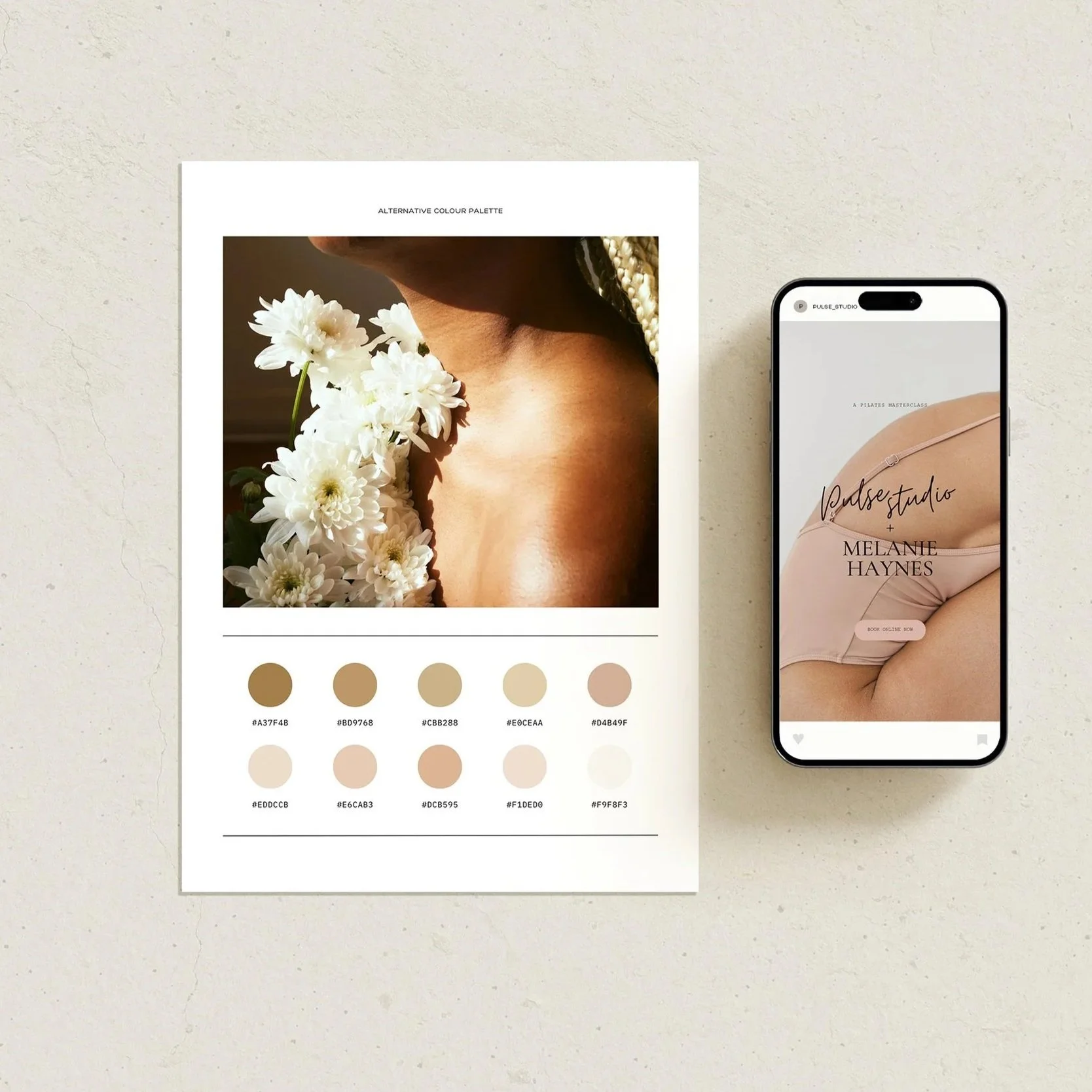
Importantly, consistency wasn't created by placing the logo everywhere. Recognition came through repeated behaviours within the brand - the relationship between typography and imagery, the tonal palette, use of space, material choices and the balance between structure and softness.
This allowed Pulse to create an experience that felt recognisably its own at every scale, while giving the business enough flexibility to evolve its classes, content and communications over time.
4. THE OUTCOME
A clearer position for the brand - not simply a new visual identity.
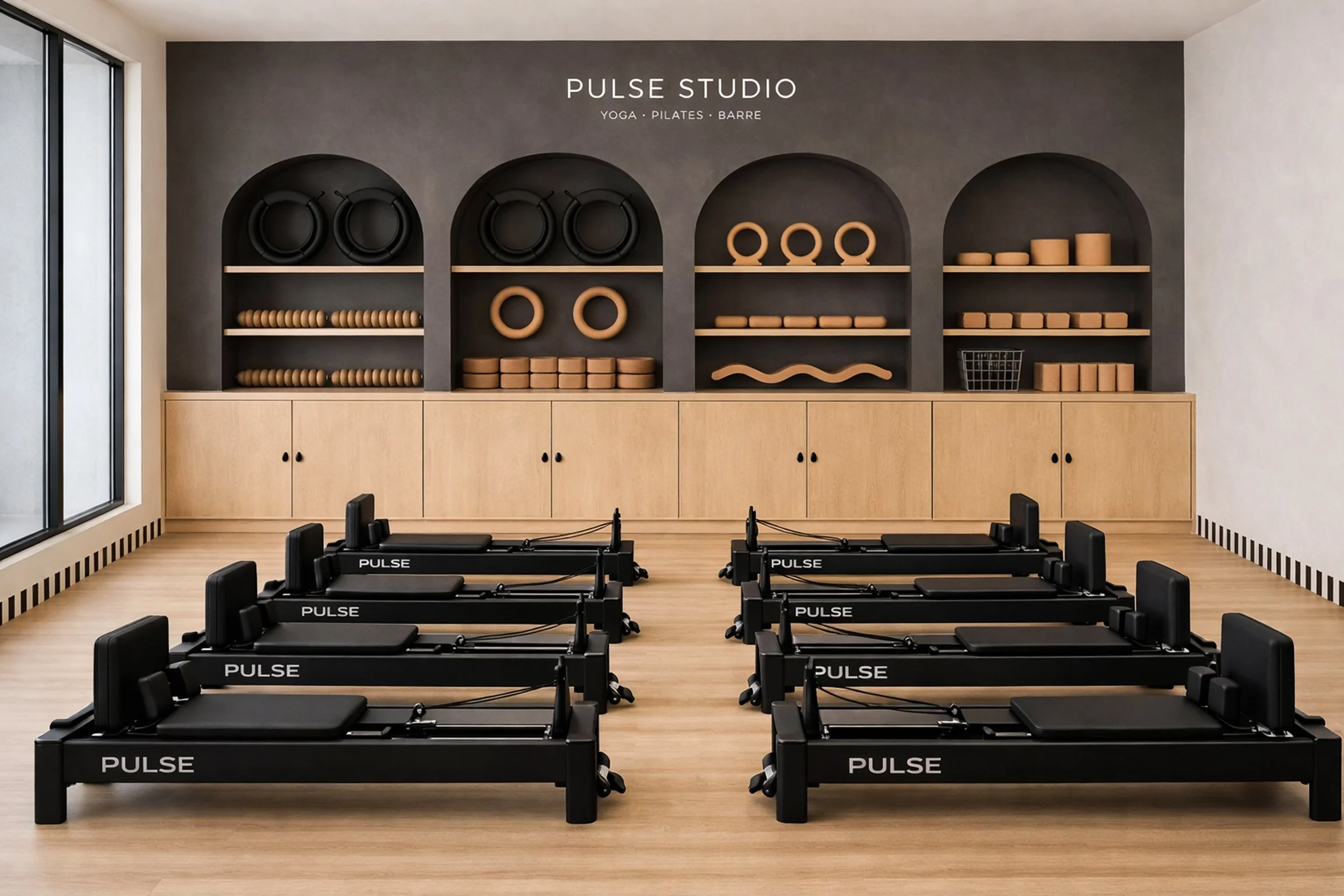
Pulse Studio emerged with a more complete foundation for the business: a defined position, a recognisable visual language and a physical environment designed around the same central idea.
Rather than the brand existing separately across a website, social feed and studio interior, each touchpoint now contributes to one broader experience. This gives Pulse greater consistency in how it communicates, stronger distinction within a visually crowded category and a framework that can continue to guide decisions as the studio grows.
The result is not simply a branded Pilates studio, but a business whose positioning can be understood through the way it looks, communicates and feels to spend time within.
5. FINAL THOUGHTS
Pulse Studio demonstrates why brand strategy becomes particularly powerful for place-based businesses. People rarely experience these brands through a single touchpoint; their perception is built through a series of interactions - what they see online, how they are welcomed, what the environment communicates and ultimately how the experience makes them feel.
When positioning, identity and place are considered together, those individual moments can begin telling the same story. The role of the brand is not simply to make the business recognisable, but to make its point of difference tangible.